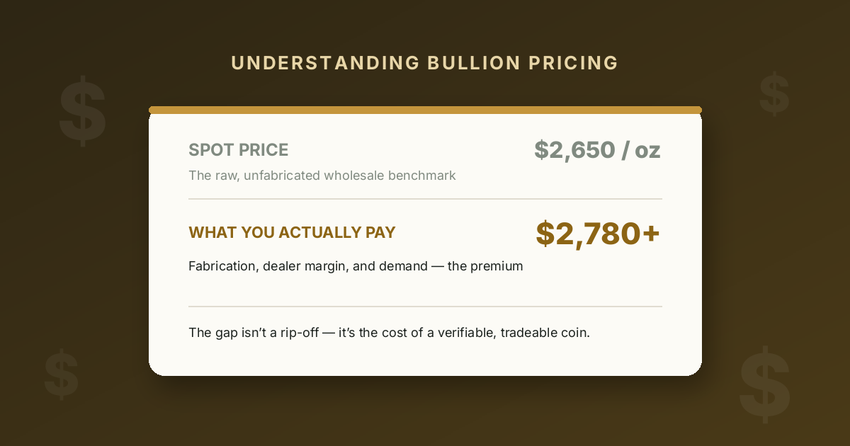
If you've started shopping for your first gold or silver coin, you've probably had this moment: you check the spot price online, then look at what a dealer actually wants for the coin, and the numbers don't match. Not even close, sometimes. Your first thought might be that you're being overcharged. The truth is more nuanced…
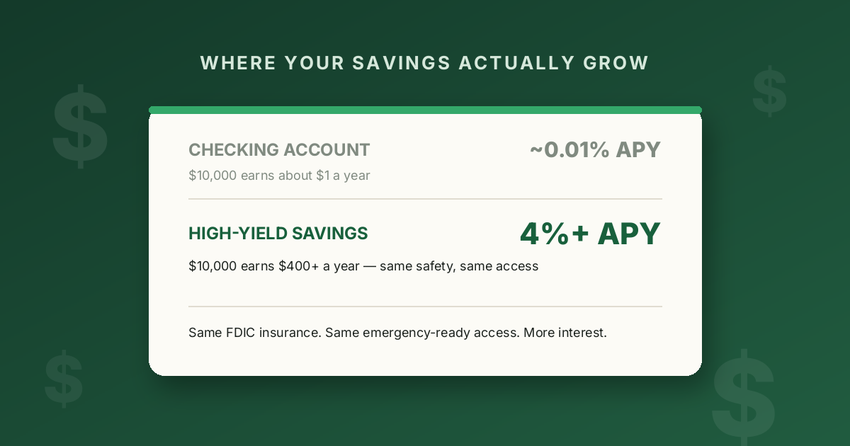
Why Your Emergency Fund Should Live in a High-Yield Savings Account (Not Your Checking Account)
Most people know they're supposed to have an emergency fund. Fewer people think carefully about where that money actually sits — and that oversight can quietly cost hundreds of dollars a year. If your “emergency fund” is really just a padded balance in your everyday checking account, you're not doing anything wrong, exactly. But you're leaving money on the table…
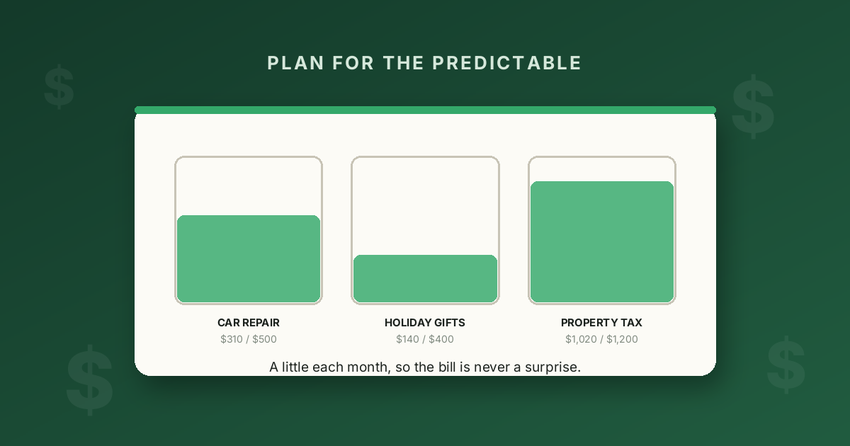
Sinking Funds 101: How to Stop Being “Surprised” by Expenses You Saw Coming All Along
Car registration. Holiday gifts. That dentist visit you've been putting off. None of these expenses are actually surprises — you know they're coming, you just don't know exactly when, so they always seem to hit at the worst possible moment and wreck your budget (or your credit card). There's a simple fix for this, and it's one of the most underrated tools in personal finance: the sinking fund. It's not flashy, it won't make you rich…
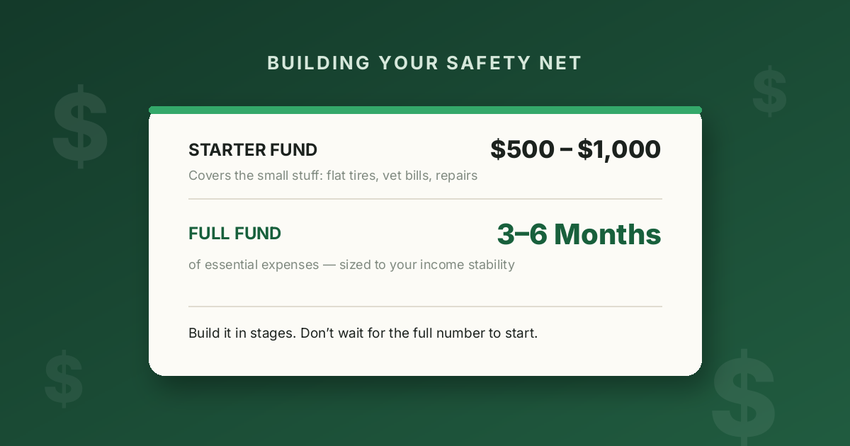
Building Your First Emergency Fund: How Much Is Really Enough?
Ask five people how big your emergency fund should be, and you'll probably get five different answers: three months of expenses, six months, a flat $1,000, or “as much as possible.” That kind of vague advice is part of why so many people never actually start one. It feels like an impossible moving target, so it gets pushed to “someday.” Here's the more useful way to think about it…
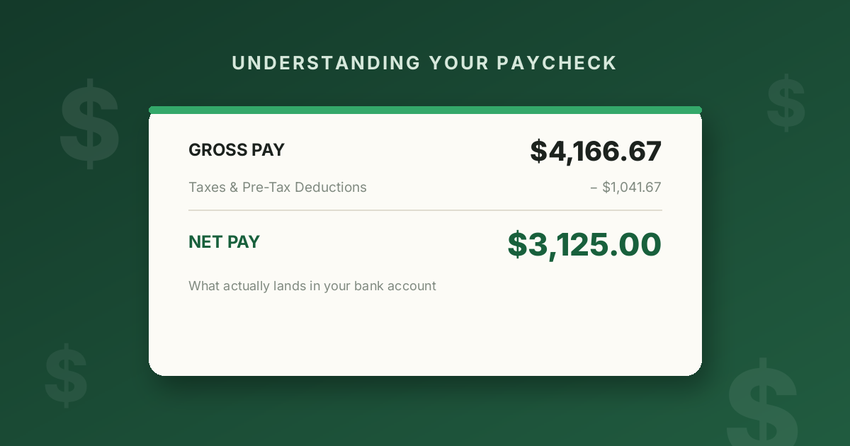
How to Read Your Paycheck: What “Gross Pay” Actually Means for Your Budget
Open your pay stub and you'll see a number at the top that's bigger than what actually lands in your bank account — and a handful of smaller numbers underneath that explain the gap. Most people glance at the final deposit amount and move on, which is fine for day-to-day life but…
Smart Money-Saving Habits to Adopt Today
Money doesn’t grow on trees, but your savings account can flourish with the right habits. Whether you’re drowning in debt, living paycheck to paycheck, or simply want to build a stronger financial foundation, developing smart money-saving habits is your ticket to financial freedom. The beauty of these habits lies not in their complexity, but in…
How to Save Money by Organizing Your Finances
Introduction Have you ever felt like your money disappears faster than you earn it? Or that no matter how hard you try, you can’t seem to get ahead financially? If so, you’re not alone. One of the biggest reasons people struggle with money isn’t due to a lack of income—it’s due to disorganization. In this…
5 Steps to Stop Impulse Buying and Save Money
Impulse buying is one of the most common reasons people fail to meet their financial goals. Whether it’s grabbing an extra item at the checkout or making a late-night online purchase, unplanned spending can quietly drain your budget. The good news? You can take control. In this in-depth article, we’ll walk you through five powerful…
How to Identify and Cut Hidden Costs in Your Budget
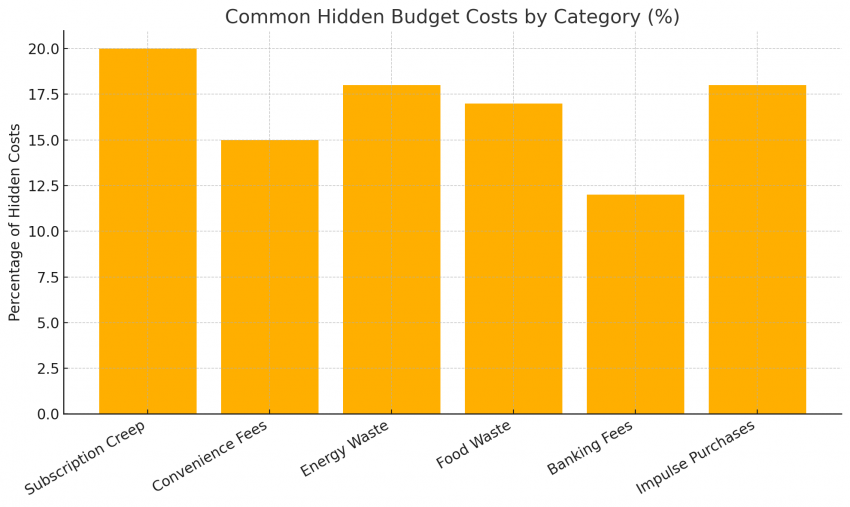
When it comes to managing your personal finances, one of the most frustrating challenges is the impact of hidden costs. These are the subtle, often overlooked expenses that slowly eat away at your budget. While you may be carefully tracking rent, groceries, and utility bills, small recurring charges, fees, and inefficiencies can quietly undermine your…
How to Set Financial Goals Before Investing
Investing can be one of the most powerful tools for building wealth over time, but diving into investments without a plan is like setting off on a road trip without a map. Before you start choosing stocks, bonds, or real estate ventures, it is essential to set clear and realistic financial goals. This blog post…
10 Habits of Successful Investors
Investing is no longer an exclusive domain of Wall Street elites or financial professionals. Today, individuals from all walks of life are taking control of their financial future by learning how to invest wisely. Whether you are managing your retirement account, working toward financial independence, or simply hoping to grow your savings, your success as…
5 Steps to Stop Impulse Buying and Save Money
Impulse buying can quietly destroy your budget, clutter your home, and leave you with buyer’s remorse. Whether it’s a $5 coffee every day or late-night Amazon splurges, those unplanned purchases add up. Fortunately, there are concrete steps you can take to break the habit. In this guide, we’ll walk through five practical, psychology-backed steps to…
How to Save Money on Groceries Without Sacrificing Quality
Introduction Want to save money time you step foot in the grocery store? Grocery bills are one of the most flexible parts of your monthly budget, but they can also be one of the sneakiest sources of overspending. The good news? You don’t have to sacrifice quality, nutrition, or your favorite meals to save serious…
10 Small Changes That Add Up to Big Savings
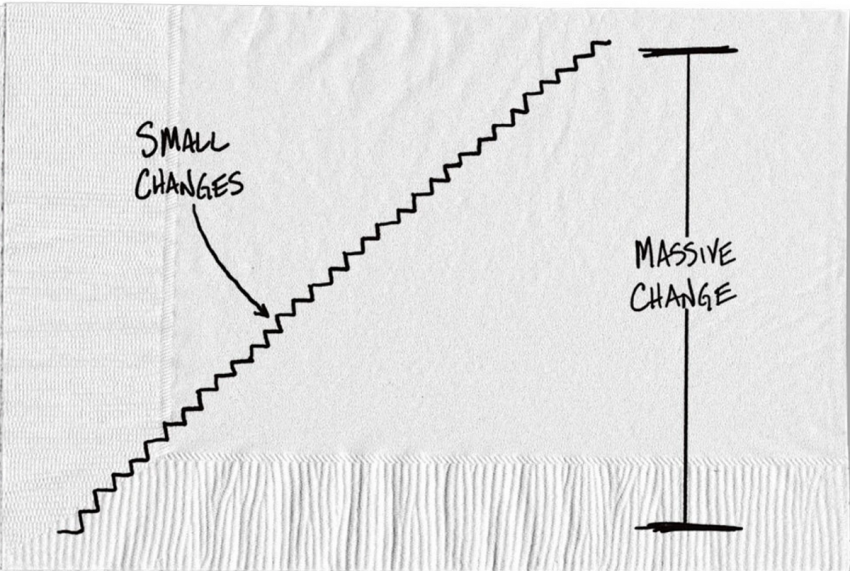
When it comes to saving money, most people think they need a massive overhaul to make a real impact. But here’s the truth: you don’t need to completely change your lifestyle to start saving. In fact, small, intentional changes can create a big difference over time. Whether you’re living paycheck to paycheck or simply want…
How to Start Investing with Just $100
When most people think about investing, they imagine wealthy individuals with thousands of dollars to spare. But here’s the truth: you don’t need a fortune to begin investing. In fact, you can get started with just $100. Yes, really. Thanks to modern technology and innovative financial platforms, the barriers to entry are lower than ever…