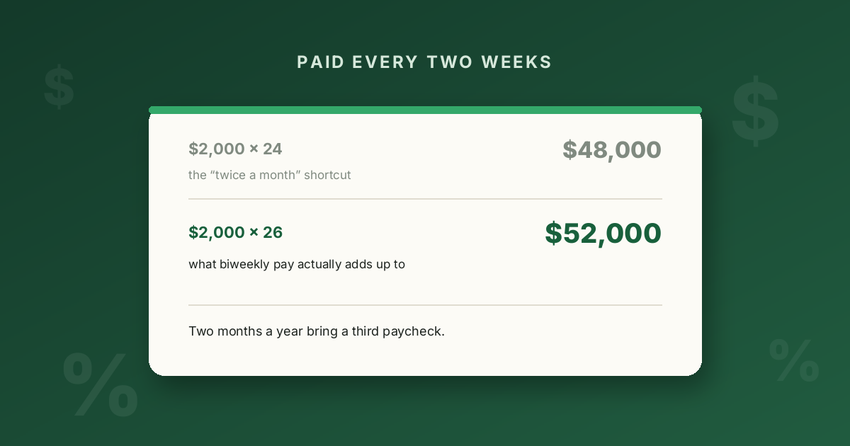
Biweekly pay — every two weeks, on a fixed day like every other Friday — is the most common schedule in the U.S. About 43% of private businesses pay that way, according to Bureau of Labor Statistics data from 2023, while just under 20% pay semimonthly (twice a month, like the 15th and the last…
Budget Billing: How Utilities “Flatten” Your Bill, and the Catch Most People Miss
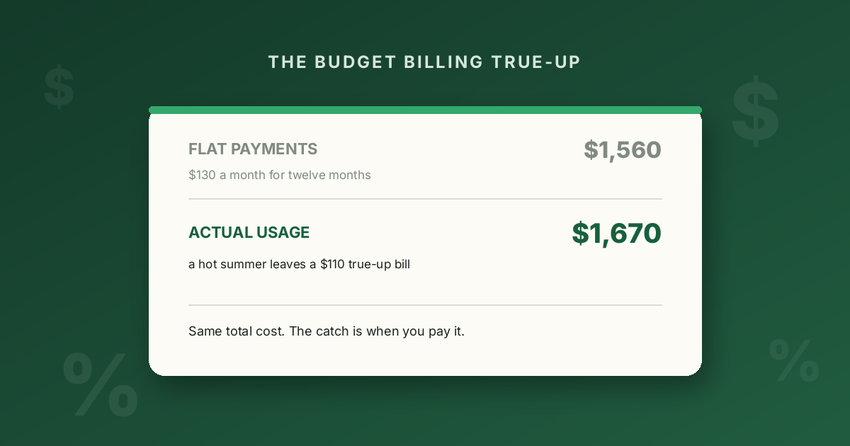
If you've ever opened a January electric bill and felt your stomach drop, you've probably seen budget billing mentioned as the fix. Most electric and gas utilities offer it: instead of paying whatever you actually used that month, you pay the same amount every month, based on an estimate of your yearly usage. No $260…
The Annual Payment Discount: When It’s Worth It and When It Isn’t
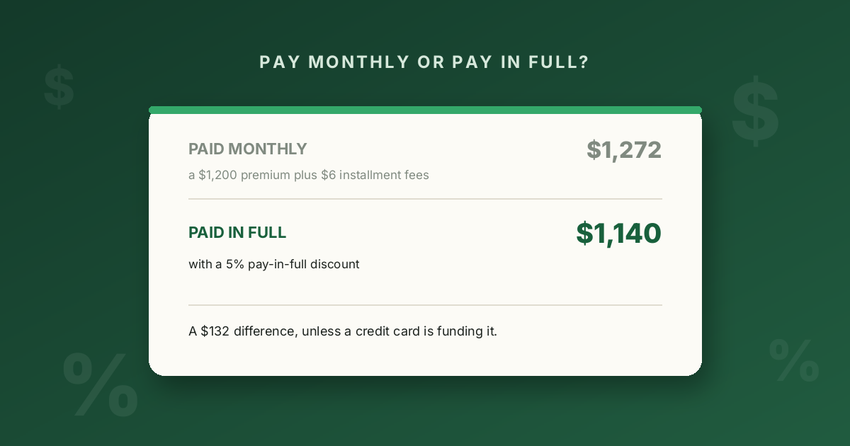
Car insurance, streaming services, gym memberships, domain registrars — a lot of recurring bills quietly offer two prices: one if you pay monthly, and a lower one if you pay for the whole year at once. Most people either ignore the annual option because the upfront number looks bigger, or take it automatically because "saving…
Budgeting on Irregular Income: Build Your Plan Around Your Worst Month, Not Your Average
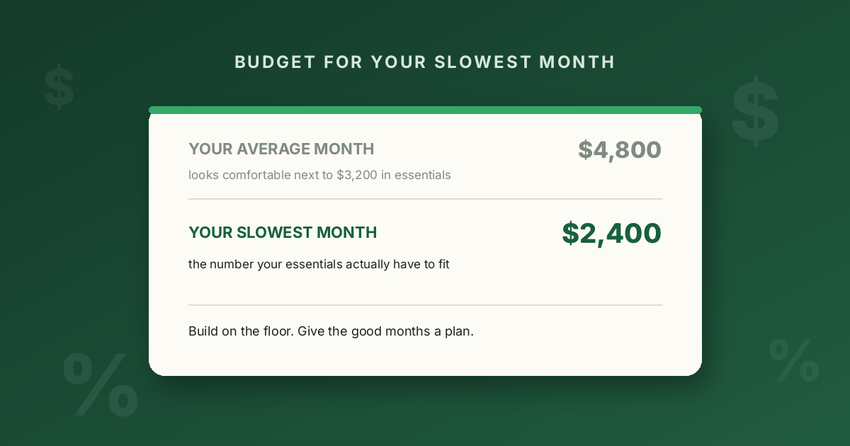
If your income moves around from month to month, a normal monthly budget can quietly work against you. Most budgeting advice assumes a paycheck that lands on the same day for the same amount, twice a month, forever. Freelancers, gig workers, commissioned salespeople, and small business owners don't get that. In the Federal Reserve's latest…
Sinking Funds 101: How to Stop Being “Surprised” by Expenses You Saw Coming All Along
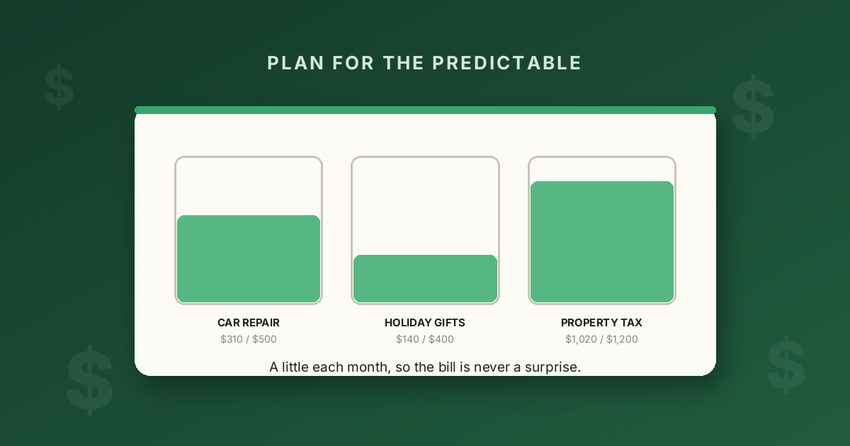
Car registration. Holiday gifts. That dentist visit you've been putting off. None of these expenses are actually surprises — you know they're coming, you just don't know exactly when, so they always seem to hit at the worst possible moment and wreck your budget (or your credit card). There's a simple fix for this, and…
How to Read Your Paycheck: What “Gross Pay” Actually Means for Your Budget
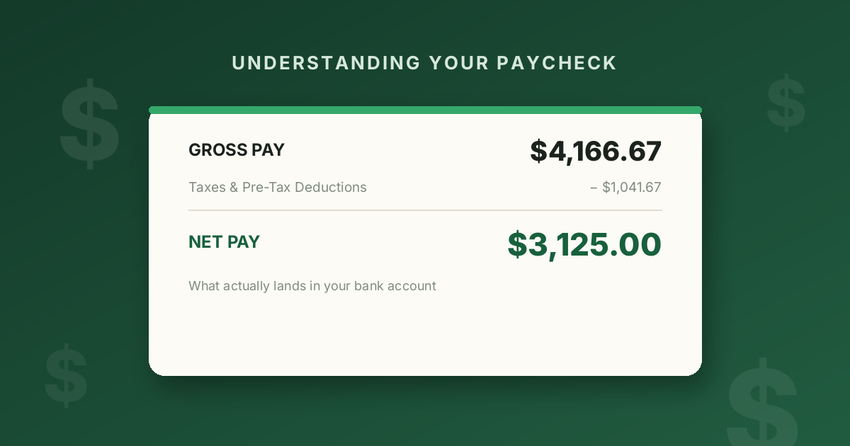
Open your pay stub and you'll see a number at the top that's bigger than what actually lands in your bank account — and a handful of smaller numbers underneath that explain the gap. Most people glance at the final deposit amount and move on, which is fine for day-to-day life but leaves a real…
Category: Budgeting
Online Impulse Buying: Saved Cards, One-Click, and Buy Now, Pay Later
It's 11:40 p.m. and you're scrolling. An ad shows you a jacket, the site already knows your address, your card fills itself in, and the checkout page offers to split the $160 into four payments of $40. You tap once. By the time the confirmation email arrives, you've half forgotten what you ordered.
Why Budgets Fail in Month Two (and How to Fix Each Cause)
Month one went well. You built the budget, tracked every coffee, and ended the month close to plan. You felt organized for the first time in a while.
Turning a Big Goal Into a Monthly Budget Line
You want to buy a house in four years. Or replace the car before it dies, or take the family trip you keep postponing. The goal is real, but it lives in your head as a big, vague number, and every month you save whatever happens to be left over. Some months that's $400. Some…
Behind on Bills? A Triage Order for What to Pay First
This month the math doesn't work. You've added it up twice. Rent, the car payment, the electric bill with a red "past due" stamp, two credit cards, a hospital bill, a personal loan. The total is several hundred dollars more than what's coming in, and every one of those companies wants to be paid first.
How Couples Split Bills: 50/50, Proportional, or Joint
When you moved in together, splitting everything down the middle probably seemed obviously fair. Rent is $1,800, so you each send $900. Groceries get split on an app. Nobody has to have an awkward conversation.
The Late Fees and Overdrafts You Pay for Not Having a Bill Calendar
You had the money. That's the frustrating part. The credit card payment was due on the 3rd, your paycheck landed on the 5th, and you meant to pay it then. Or the electric bill auto-drafted two days before payday, your checking account dipped below zero, and a $12 streaming charge that hit the same afternoon…
When You Can’t Make Yourself Look at Your Bank Account
You know roughly what's in your checking account. Probably. You'd rather not confirm it. The banking app sits on your phone's second screen, and when a notification pops up you swipe it away without reading it. Statements land in your email and get archived unopened. Then a charge declines at the grocery store, or a…
Debt Avalanche vs. Snowball: Which Payoff Order Saves More
You've found some extra money in your budget for debt, maybe $200 or $300 a month. You've got a few balances: a credit card or two, a store card, maybe a personal loan. Now the question is where the extra money goes. Spread it evenly? Hit the biggest one? The smallest?
Why Your Budget Needs a Fun-Money Line (and How Big to Make It)
You start a budget with real determination. No more takeout, no more random Amazon orders, every spare dollar to the trip fund. Two weeks later you're tired, a friend invites you out, and you go. Then you buy something small to feel better about blowing it. By the end of the month, you've moved money…
Zero-Based, 50/30/20, or Envelopes: Picking a Budget Method That Fits You
You've decided to budget. Then you search for how, and you get three different answers. One person swears by giving every dollar a job. Another says just split your pay 50/30/20 and stop overthinking it. A third keeps cash in envelopes and says nothing else ever worked.