
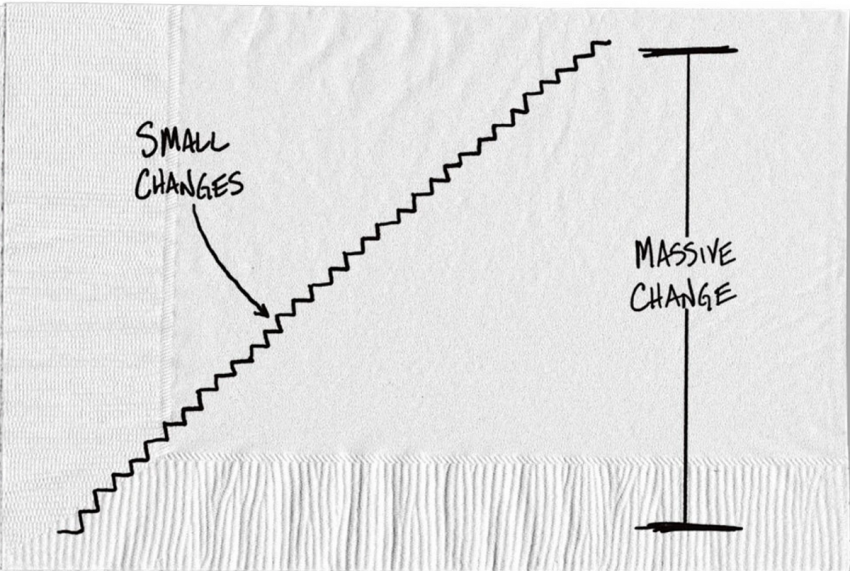
When it comes to saving money, most people think they need a massive overhaul to make a real impact. But here’s the truth: you don’t need to completely change your lifestyle to start saving. In fact, small, intentional changes can create a big difference over time.
Whether you’re living paycheck to paycheck or simply want to be more intentional with your spending, these 10 small changes can help you save more, spend less, and still enjoy life.
Contents
- 1 Automate Your Savings
- 2 Cook at Home One Extra Night a Week
- 3 Cut Subscriptions You Don’t Use
- 4 Use Cashback and Rewards Apps
- 5 Make Coffee at Home
- 6 Shop with a List — and Stick to It
- 7 Do a No-Spend Challenge
- 8 Review Your Bills Once a Year
- 9 Delay Big Purchases by 48 Hours
- 10 Track Your Spending (Even for 30 Days)
- 11 How These Small Changes Add Up
- 12 Final Thoughts
- 13 10 Small Changes That Save Big:
Automate Your Savings
Why it works: Out of sight, out of mind — in a good way.
Set up automatic transfers from your checking to your savings account every time you get paid. Start small — even $10 a week adds up to over $500 a year.
How to start:
- Use your bank’s auto-transfer feature
- Try apps like Chime, Ally, or Digit that help automate savings
Pro tip: Treat your savings like a recurring bill. Pay yourself first.
Cook at Home One Extra Night a Week
Why it works: Dining out (or ordering in) is one of the biggest stealth expenses in most budgets.
If you usually eat out 3–4 times a week, cutting just one night per week could save $40–$60 per month — that’s up to $700+ per year.
How to start:
- Pick one night (like Tuesday) to always cook at home
- Plan simple meals you enjoy
- Use leftovers creatively
Pro tip: Try “kitchen sink” meals to use what you already have before buying more groceries.
Cut Subscriptions You Don’t Use
Why it works: We sign up for free trials and forget about them. Or we think $10/month isn’t much — until we’re paying for five of them.
A few forgotten subscriptions could be draining $50–$100/month.
How to start:
- Use tools like Rocket Money or Truebill to track subscriptions
- Cancel the ones you don’t use or need
Pro tip: Rotate your streaming services — subscribe to one or two per month instead of all at once.
Use Cashback and Rewards Apps
Why it works: You’re already shopping — why not earn some money back?
Apps like Rakuten, Ibotta, and Fetch Rewards can get you real cashback or gift cards for things you already buy.
How to start:
- Sign up for one or two apps you’ll actually use
- Use browser extensions for automatic cashback
- Upload grocery receipts for points or cash
Pro tip: Combine cashback with store sales and coupons for maximum savings.
Make Coffee at Home
Why it works: It sounds cliché, but skipping the $5 latte really can make a difference.
Making your own coffee just three times a week instead of buying out could save you $60/month — or $700+ a year.
How to start:
- Invest in a good reusable mug and a French press or drip machine
- Try copycat recipes of your favorite drinks
- Make it a morning ritual you enjoy
Pro tip: Calculate your monthly spend on coffee out. You’ll be surprised.
Shop with a List — and Stick to It
Why it works: Impulse buys can wreck your grocery or Target run in seconds.
Going into a store without a list is like going on a road trip without a map — you’ll spend more and buy things you didn’t need.
How to start:
- Make a list before every shopping trip (grocery, online, etc.)
- Set a budget before entering the store or app
- Use a calculator as you go
Pro tip: Don’t shop when you’re hungry or tired — it leads to more “treat yourself” buys.
Do a No-Spend Challenge
Why it works: It brings awareness to your spending habits and resets impulse buying.
Try going one week or one month only spending on essentials — no takeout, no online shopping, no unnecessary purchases.
How to start:
- Choose your timeframe: a weekend, a week, or even a full month
- Define “needs” vs “wants”
- Get creative with what you already have
Pro tip: Journal what you learn about your spending urges — it’s eye-opening.
Review Your Bills Once a Year
Why it works: Prices creep up over time — and many people don’t notice until it’s costing them hundreds extra.
You can often negotiate or switch providers for savings on:
- Internet
- Cell phone
- Insurance
- Utilities
How to start:
- Call and ask about promos or discounts
- Use comparison sites like The Zebra (for insurance) or WhistleOut (for phone plans)
- Bundle where it makes sense
Pro tip: Even one successful call could save you $20–$50/month.
Delay Big Purchases by 48 Hours
Why it works: Impulse spending usually happens fast. A 48-hour rule gives your logical brain time to catch up.
If you still want the item after two days, go for it — but chances are, you’ll move on and save the money.
How to start:
- Create a “Wishlist” instead of checking out right away
- Use browser extensions that alert you to price drops during your wait
Pro tip: Keep a “cooling-off cart” where you park things for 48 hours before buying.
Track Your Spending (Even for 30 Days)
Why it works: You can’t fix what you don’t know.
Most people have no idea where their money really goes — tracking even for a month can reveal patterns and savings opportunities.
How to start:
- Use apps like Mint, YNAB, or EveryDollar
- Or go old-school with a spreadsheet or notebook
- Track everything — yes, even the $2 snack
Pro tip: Review your spending weekly and look for “leaks” — small recurring charges, or unplanned purchases that add up.
How These Small Changes Add Up
Let’s say you make just 5 of these 10 changes:
| Change | Estimated Yearly Savings |
|---|---|
| Make coffee at home 3x/week | $780 |
| Cook at home 1 extra night | $720 |
| Cancel 2 unused subscriptions | $240 |
| Use cashback apps regularly | $150 |
| Stick to grocery list | $500+ |
| Total | $2,390+/year |
That’s nearly $2,400 in savings — and you didn’t have to overhaul your life. You just made a few mindful tweaks.
Final Thoughts
You don’t need to be rich to start saving — and you don’t need to live miserably to be financially smart. The key is making intentional, repeatable small changes that fit into your life.
Money management is less about restriction and more about awareness. By applying even a few of these tips, you’ll not only save money — you’ll build habits that last.
And remember: it’s not about being perfect. It’s about being consistent. One smart choice at a time.
10 Small Changes That Save Big:
- Automate your savings
- Cook at home 1 more night per week
- Cancel unused subscriptions
- Use cashback/rewards apps
- Make coffee at home
- Always shop with a list
- Try a no-spend challenge
- Review and renegotiate bills
- Delay big purchases by 48 hours
- Track your spending for 30 days
Ready to Start Saving?
Pick just one change to try this week — and build from there. Drop a comment or share your favorite small-money hack.
Check us out on 📺 You Tube 📺
Check out our Media Section: 📺 Media 📺
#10 Small Changes That Add Up to Big Savings
Discover more from Grow Beyond Green
Subscribe to get the latest posts sent to your email.